Zoë
The Art of Racing in the RainZoë is Denny and Eve’s daughter, first introduced as a newborn and later shown as a young child whose affection, observations, and direct statements matter amid illness and family conflict. Her story moves from the intimate routines of home—being read to, taken to preschool, and playing in the backyard—to a more unsettled period in which the adults around her make decisions about where she will live. Even at five, she understands more than the adults may assume and insists that her own wishes be heard.
Identity and Early Family Life
Denny comes home from Daytona unhappy, but his mood changes when he holds the baby. She is named Zoë, not after Enzo, but after Eve’s grandmother. Enzo, who has been asked to protect Eve and her baby, understands himself as part of Zoë’s protection; after a toast to her, he privately resolves to keep that promise. The family’s welcome gives Zoë a place at the center of their shared life from the beginning.
Her early household changes as Eve’s pregnancy and the demands of work reshape Denny’s days. Denny leaves a job that had occupied less of his time for work behind the counter at an auto shop servicing expensive German cars. After Zoë is born, he cuts back his hours so he can take her to preschool. In the evenings he reads to her and helps her learn numbers and letters, while also taking on grocery shopping, cooking, and cleaning. These practical routines show his effort to make a stable home for Zoë while caring for Eve.
Care, Routine, and Play
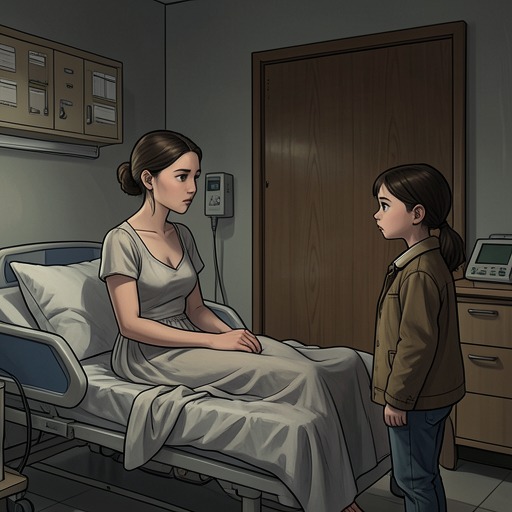
As Eve’s illness intensifies, Denny’s care for Zoë becomes highly organized. During Eve’s extended hospital stay, he prepares Zoë’s cereal and a packed lunch of a peanut-butter-and-banana sandwich on whole-grain bread, potato chips, cookies, and a small bottle of water, then takes her to summer camp before going to work. He picks her up afterward, cooks dinner, takes her to visit Eve, and later bathes her, reads her a story, and tucks her in. The household’s former spontaneity gives way to a repeated schedule shaped by Denny’s effort to work, parent, and visit Eve.
Zoë also shares an intimate, playful life with Enzo. In the backyard she makes him wear the bumblebee wings she had worn the previous Halloween, while she dresses in a pink ballet outfit with a tulle skirt, leotard, and stockings. They run together until her feet are stained with dirt, dancing, laughing, and pretending to be angels. The scene offers a vivid counterpoint to the family’s hospital-centered routine: Zoë’s play is exuberant, physical, and imaginative, and Enzo is her companion within it.
A Child’s Understanding and Voice
When Maxwell and Trish offer to keep Zoë for a weekend, Denny is hesitant but lets her go. Later, after she has returned, Denny takes her into the backyard and sits with her on the terrace steps to explain that her mother would like her to stay with her grandparents. He promises that he will visit every day, spend weekends with her, and sometimes have her stay with him. Zoë considers the proposal and recognizes that her grandparents want her too. Her calm understanding of Denny’s distress unsettles his expectation that a five-year-old might not grasp the situation: she knows he is upset, and reassures him that she does not believe he will leave her there forever.
After Eve’s death, Zoë’s wishes become more explicit. When Denny explains that lawyers and judges must decide where she will live, she insists that he tell them she is coming home and says she wants to live with him and Enzo. Her demand is repeated, not withdrawn when Denny says the matter is complicated. In a separate conversation about the accusation that has brought Denny to court, she asks whether Grandma and Grandpa were responsible. Denny says they were not, while acknowledging that they know about it. The question shows Zoë testing the adults’ account against what she knows of the conflict around her.
Relationships and Narrative Significance
Zoë’s bond with Denny is expressed through everyday care as well as separation: he takes her to preschool, teaches her, prepares her meals, and tries to explain painful decisions in terms she can understand. When she is to stay with her grandparents, she accepts that they want her while also trusting that her father will return for her. Later, she makes clear that visiting is not what she wants in place of coming home.
Her connection with Enzo is grounded in companionship and protection. He imagines himself as a guardian from the time she is an infant, and their backyard play shows that the bond is not only symbolic: he is present in her games and in the home she wants to share with Denny. Zoë is therefore more than the object of the adults’ competing plans. Her pleasure in play, comprehension of difficult explanations, and insistence on where she belongs give her an independent voice within the family’s changing circumstances.